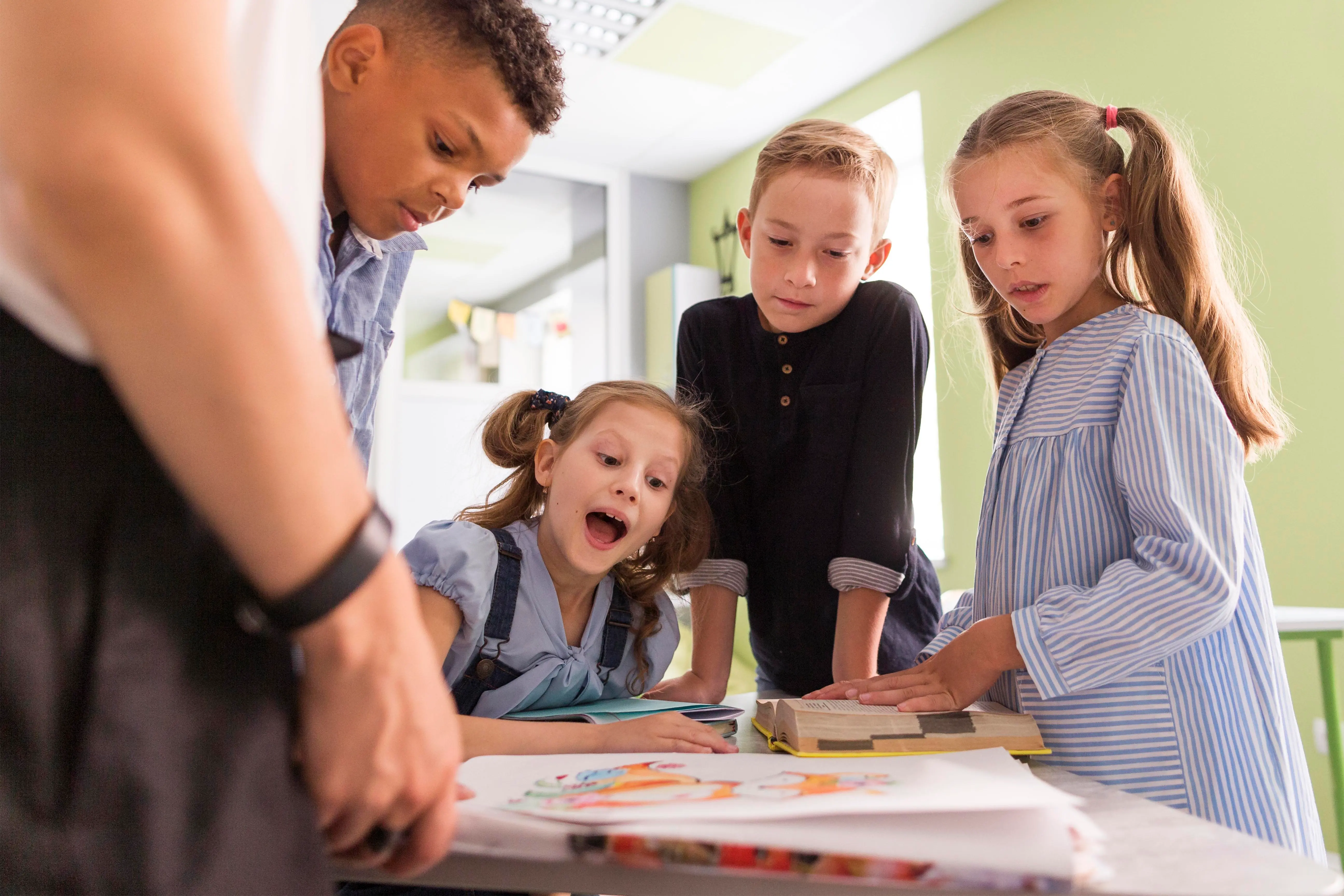
Building Skills Beyond the Classroom
Children need more than academic knowledge to thrive. They also need communication, social, emotional, practical, and self-management skills to participate confidently in everyday life.
Our Skills for Life & Learning services help children gradually develop independence and confidence through practical, personalised support that connects learning with real-world situations.
Practical Skills for Everyday Success
Our skill development programs are designed to nurture confidence, creativity, independence, and practical abilities through engaging, hands-on learning experiences.
Communication Skills
Build functional communication, listening, conversation, and interaction skills.
Social Skills Development
Help children understand social situations and develop positive relationships.
Emotional Regulation
Develop strategies for recognising and managing emotions.
Daily Living Skills
Build age-appropriate skills for everyday routines and greater independence.
Executive Function Skills
Support planning, attention, organisation, memory, flexibility, and problem-solving.
Self-Advocacy Skills
Help children communicate their needs, preferences, and choices with confidence.
Confidence Building
Encourage children to recognise their strengths and approach new situations positively.
Community Participation
Develop practical skills for participating in community and social environments.
Helping Children Become More Independent
At FIRSTPATH Child Development Center, we believe learning goes beyond academics. Our skill development programs are designed to nurture confidence, creativity, communication, and independence through engaging, practical, and inclusive learning experiences.
Real-World Learning
We focus on skills that children can use in everyday situations.
Individual Goals
Support is built around each child's current abilities and developmental goals.
Confidence First
We create opportunities for children to practise skills without unnecessary pressure.
Practical Strategies
Families receive strategies that can be incorporated into daily routines.
Consistent Support
We encourage consistency across home, school, therapy, and community environments.
Long-Term Development
Our goal is to help children develop skills that remain useful as they grow.
Building Independence Step by Step
Every training program follows a structured learning journey that helps children develop practical skills, confidence, creativity, and independence at every stage.
Assess
Understand existing skills and areas for development.
Identify Goals
Choose practical and meaningful skills to work towards.
Practise
Build skills through structured and everyday activities.
Apply
Use newly developed skills in real-life situations.
Maintain
Continue practising and strengthening skills for greater independence.
Have Questions? We're Here to Help.
We understand that choosing the right skill development program is an important decision. Here are answers to some of the most common questions from parents and caregivers.